
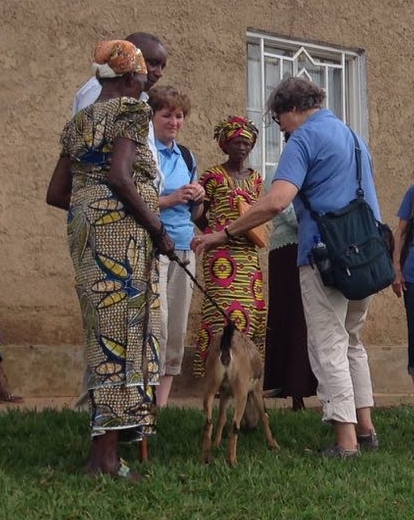
Inshuti strives to make a real and lasting impact on the people we serve by living out the Gospel in the following ways.
.JPEG)
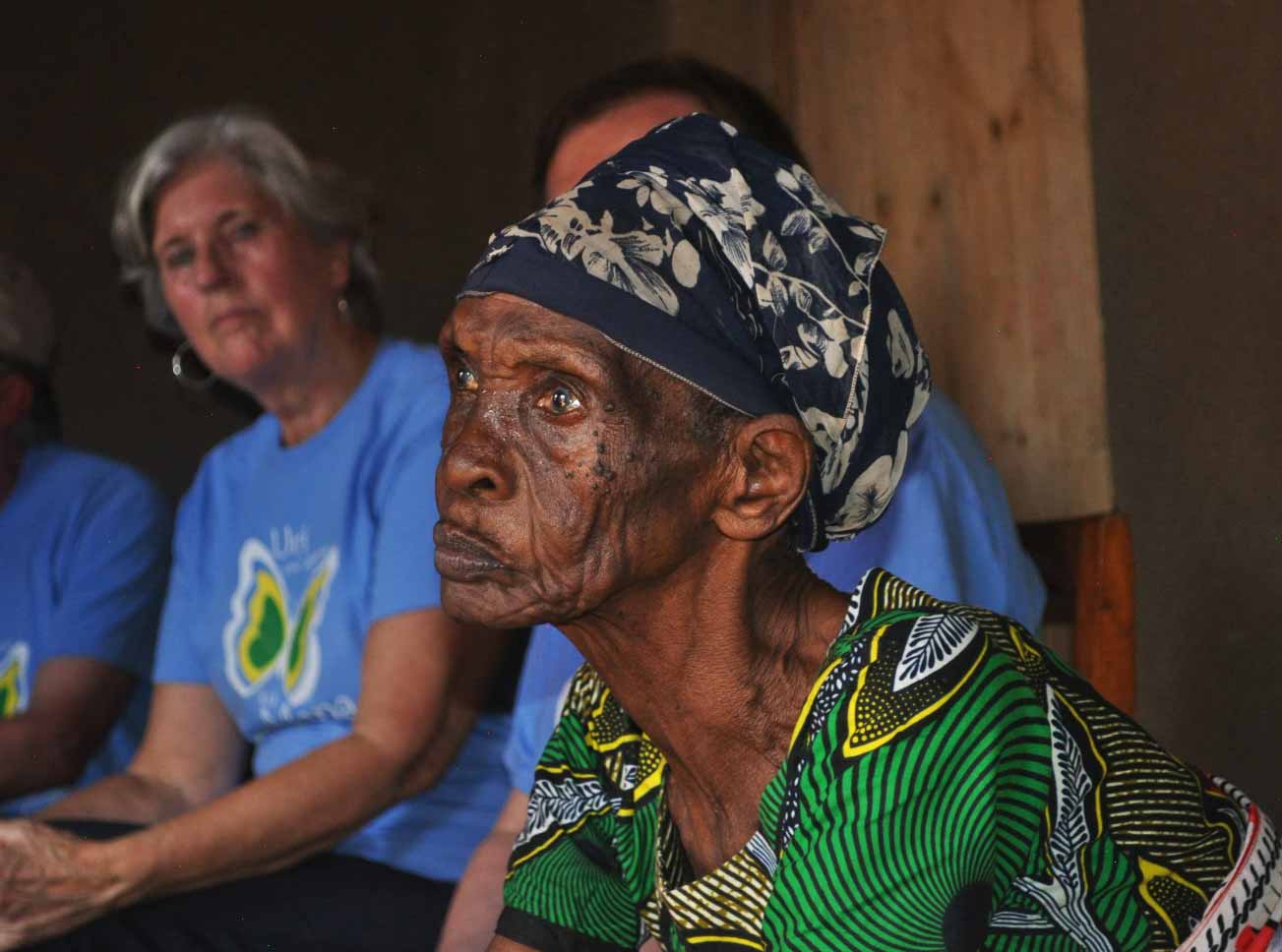
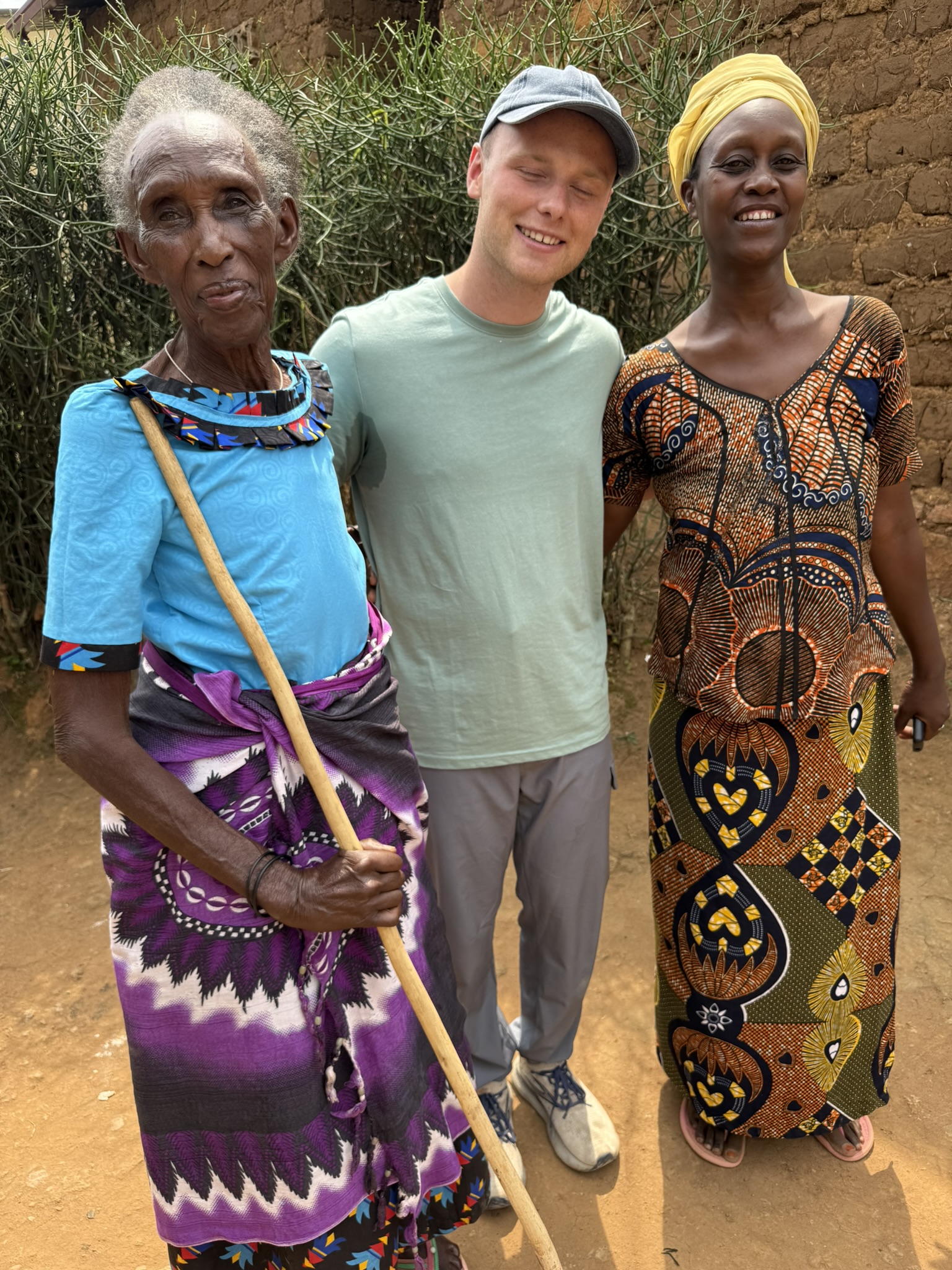
Many elderly survivors have no family support, limited food security, and live in severe poverty—often a dirt-floor home with minimal bedding. Our visits provide tangible care and spiritual encouragement.
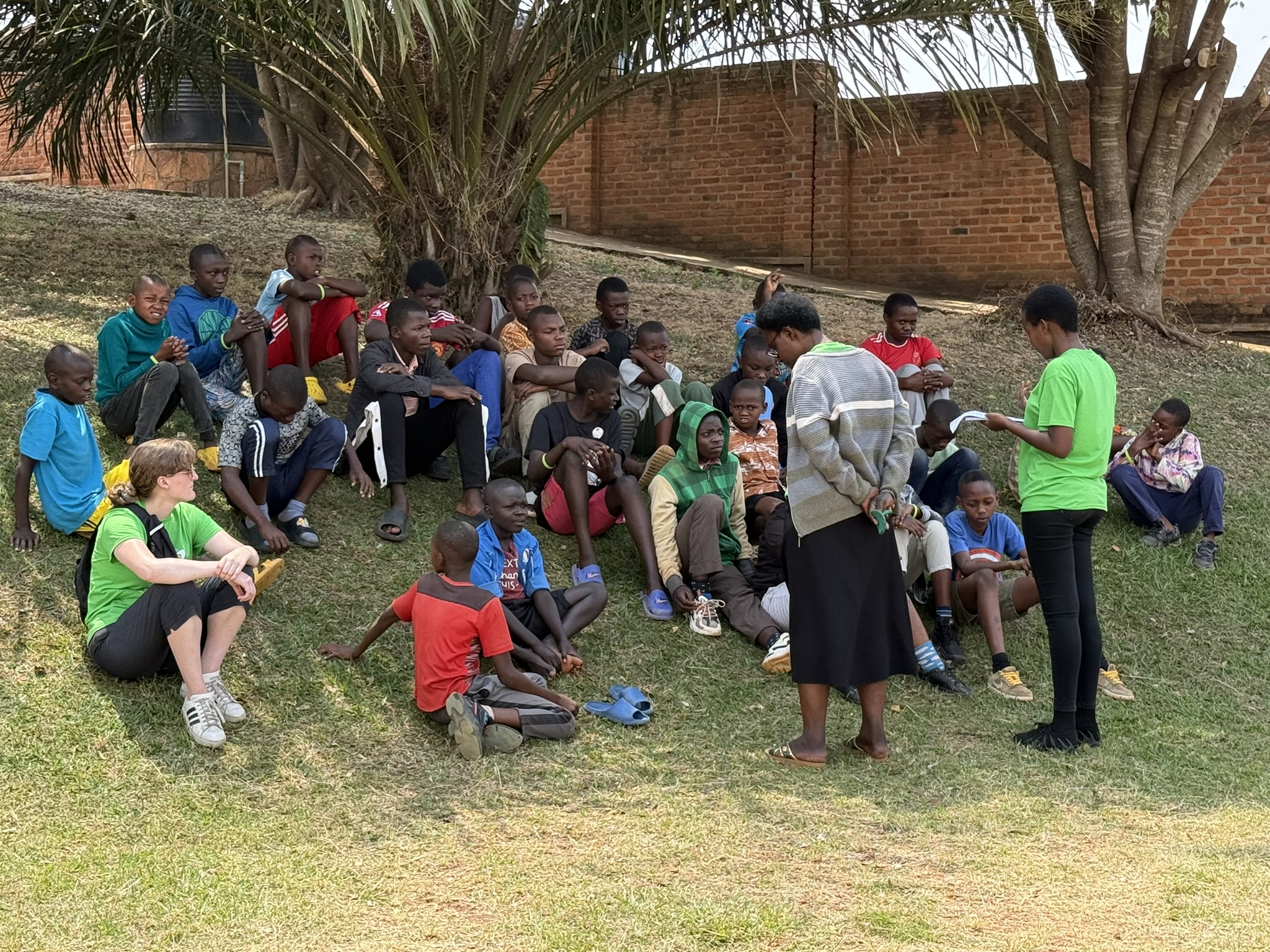

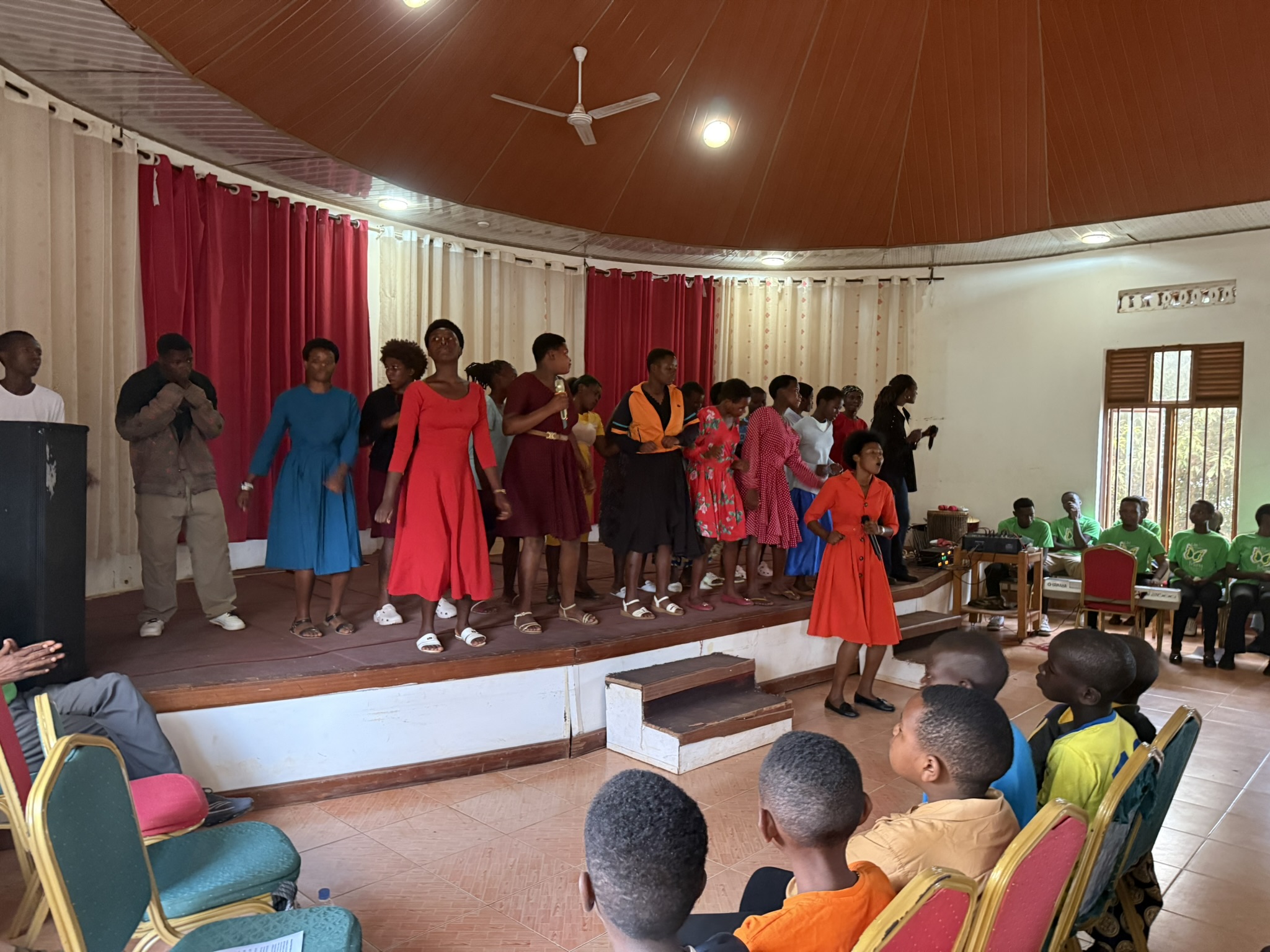
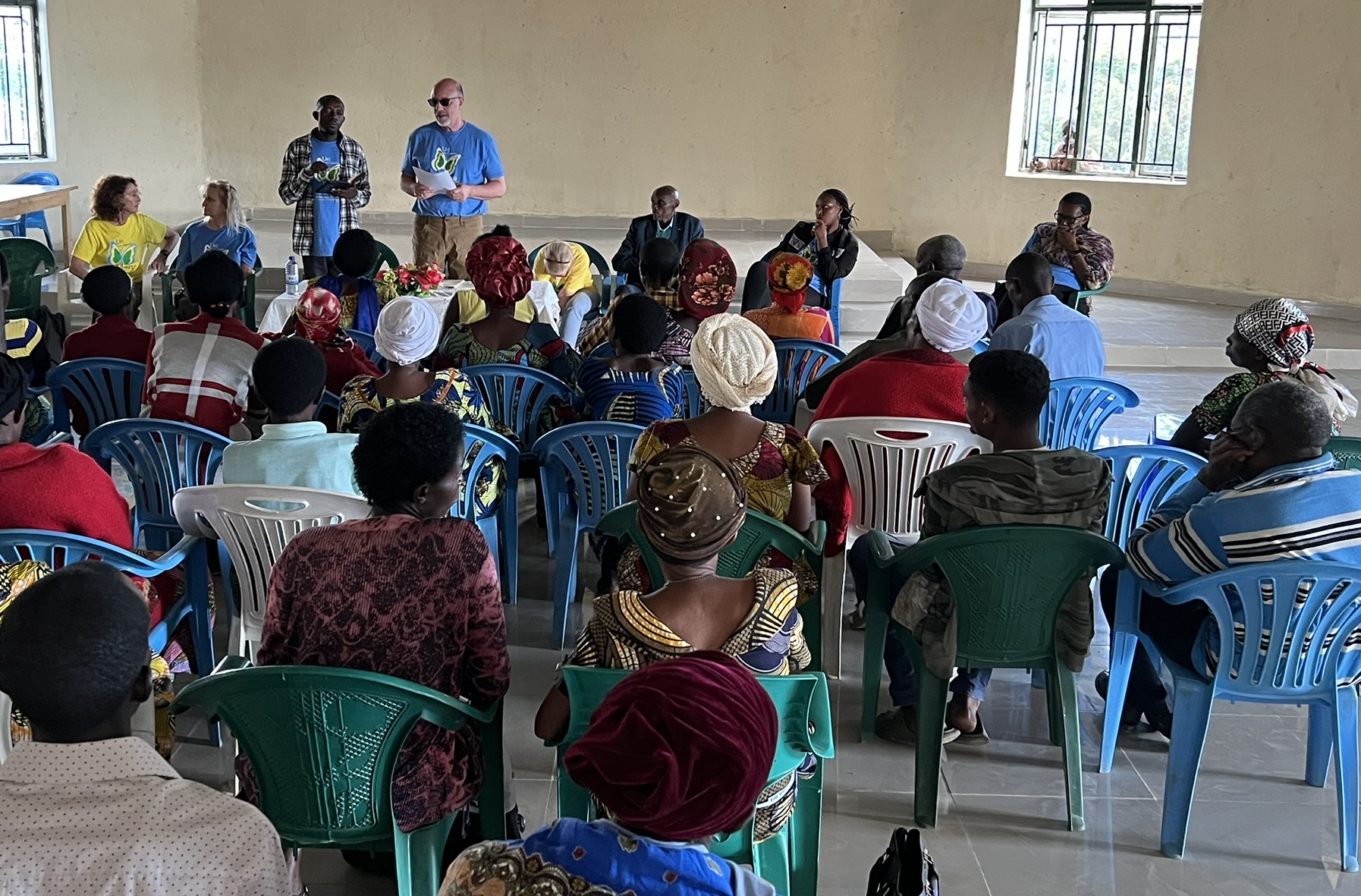
Youth camps provide an alternative to spending time on the streets or on social media by providing a place to experience stories of hope, and spiritual grounding. Our team partners with GNI to meet with young adults from the area. In 2025, over 370 young people attended these camps and received the Gospel message. Over the course of the camps, youth were engaged in times of worship, teaching, discussion, and prayer.
.JPEG)
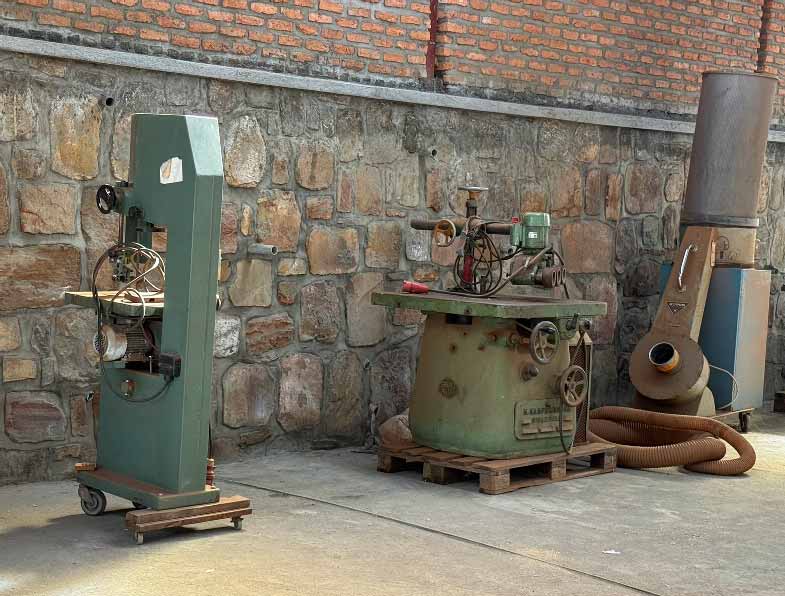
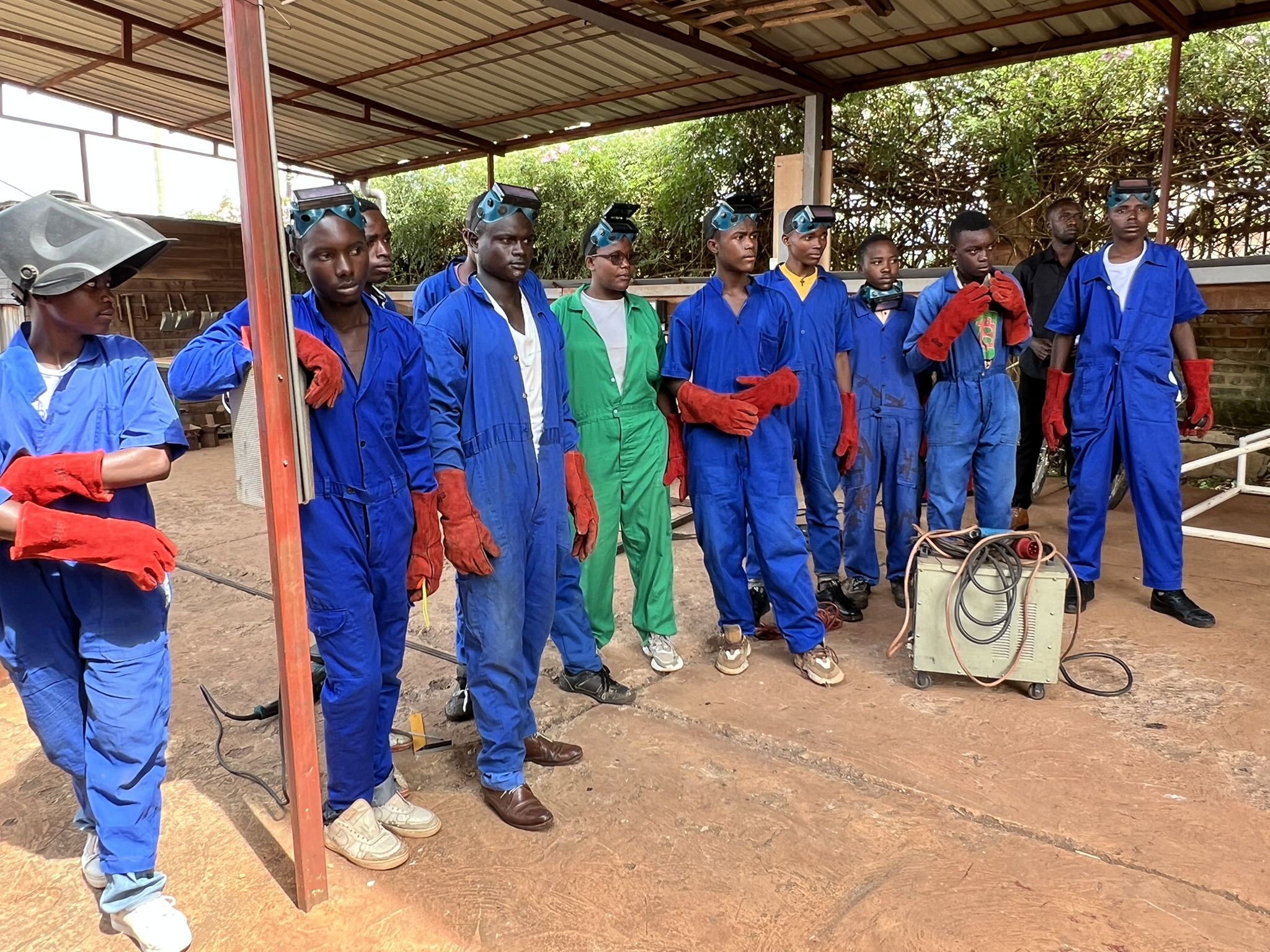
These young people (some are living on the streets) are given the opportunity to be trained in a skill that allows them to become self-supporting. In 2026 a carpentry program will soon be added to the existing welding and sewing programs. Vocational training provides these students with practical skills and a brighter future. 507 students have graduated from the program and have received their Certificate of Completion. This certificate is accredited by the Ministry of Education in Rwanda.
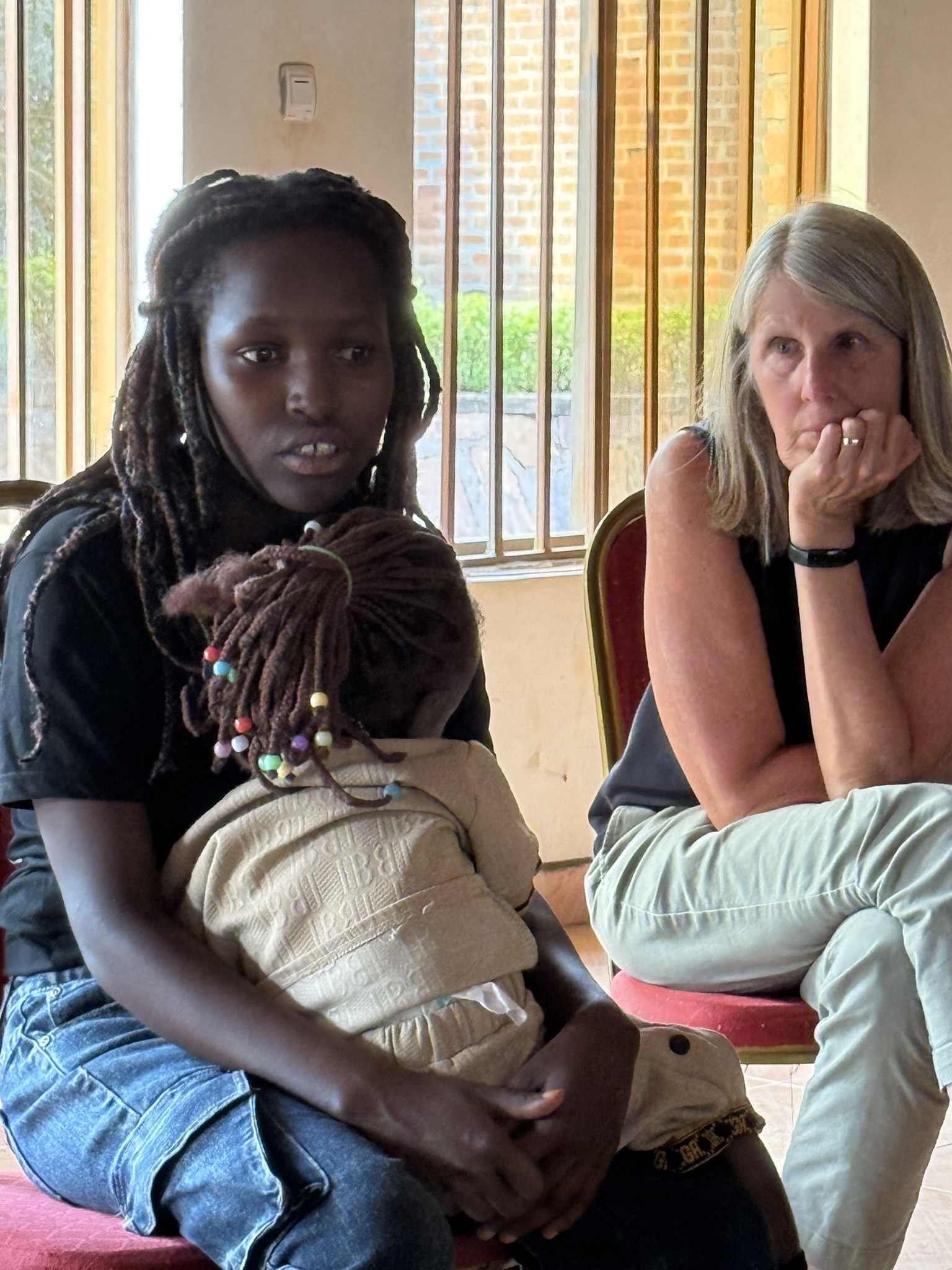
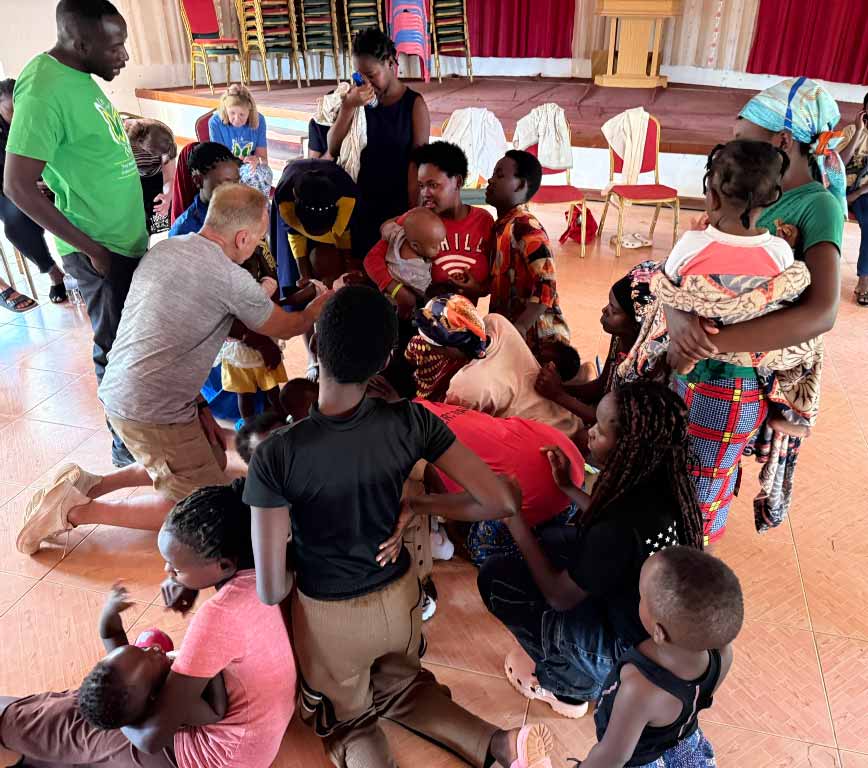
Girls and young women—sometimes as young as early teens—become pregnant through rape, incest, or exploitation and are often expelled from their homes. This GNI program provides counseling, food, support, and help toward stability. The program also includes counseling for the families and encourages reconciliation with their families, whenever possible.
.jpg)
.jpg)
.jpg)
Within the Good News communities, we are finding in the rural areas that many homes are in dire need of repair, and sometimes even rebuilding. We feel called to assist in providing decent living conditions as funding becomes available. Local leaders identify which households are most in need.